English



































































































































































































































































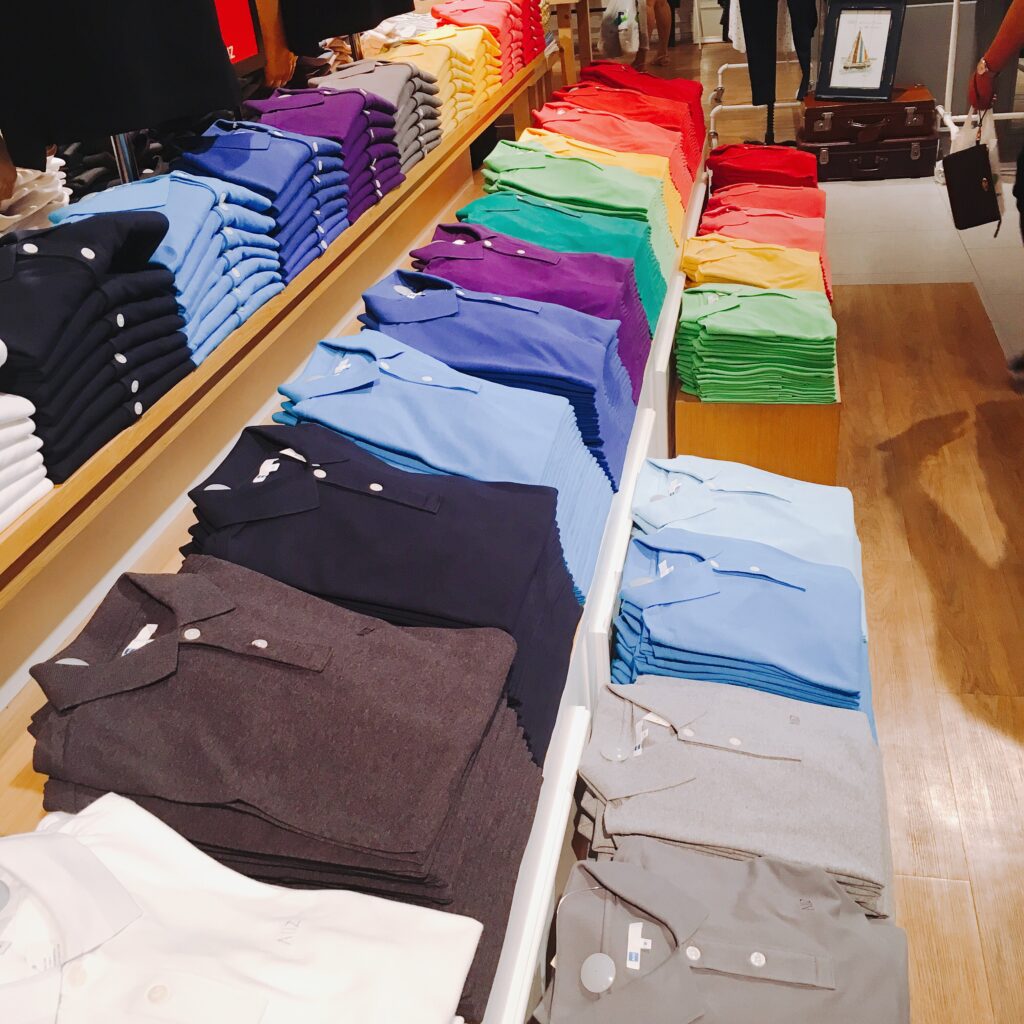
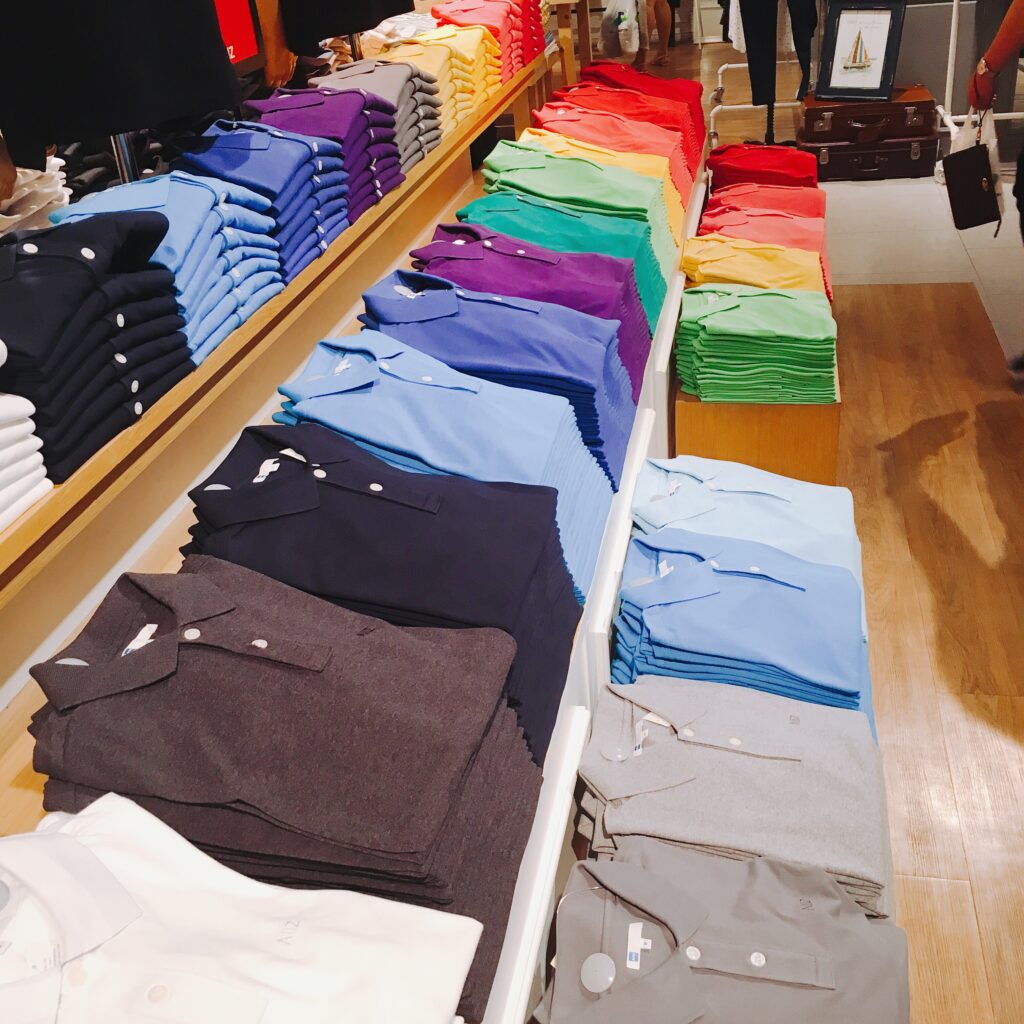
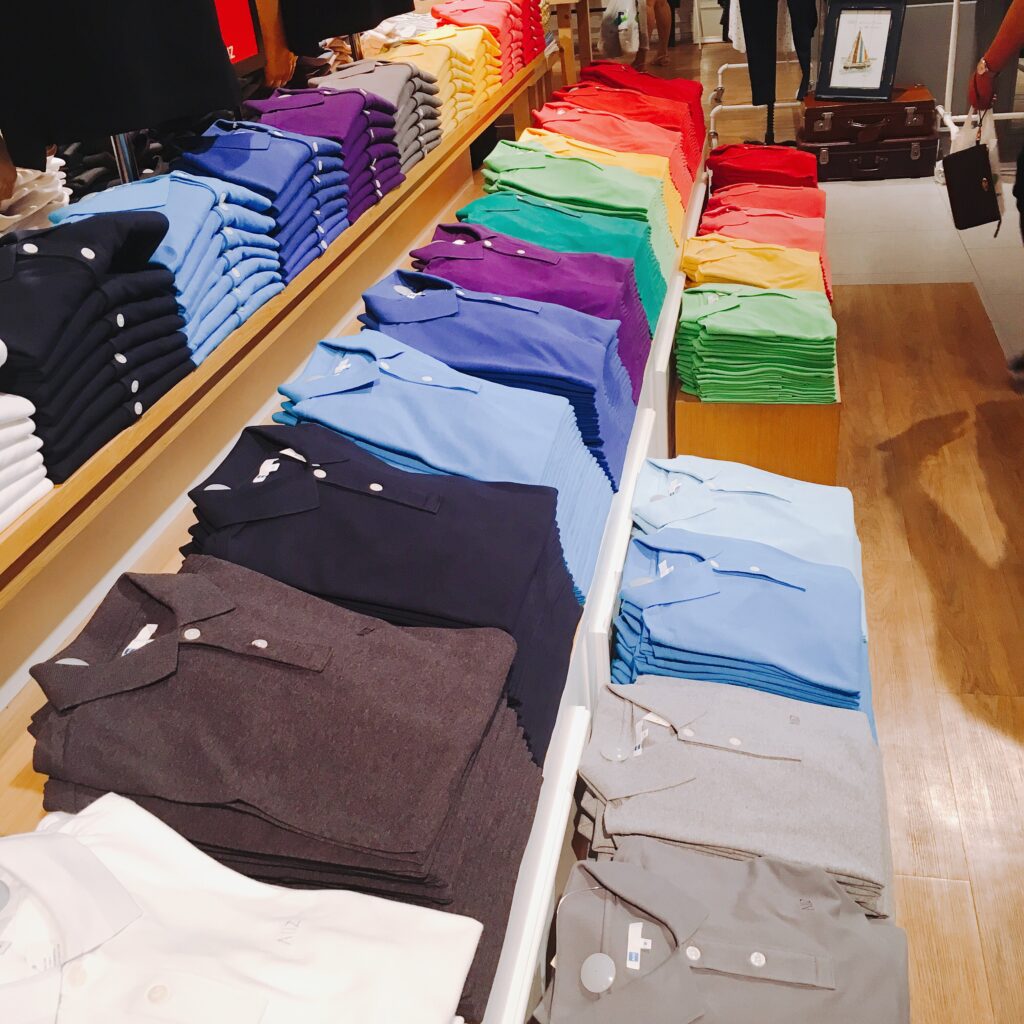


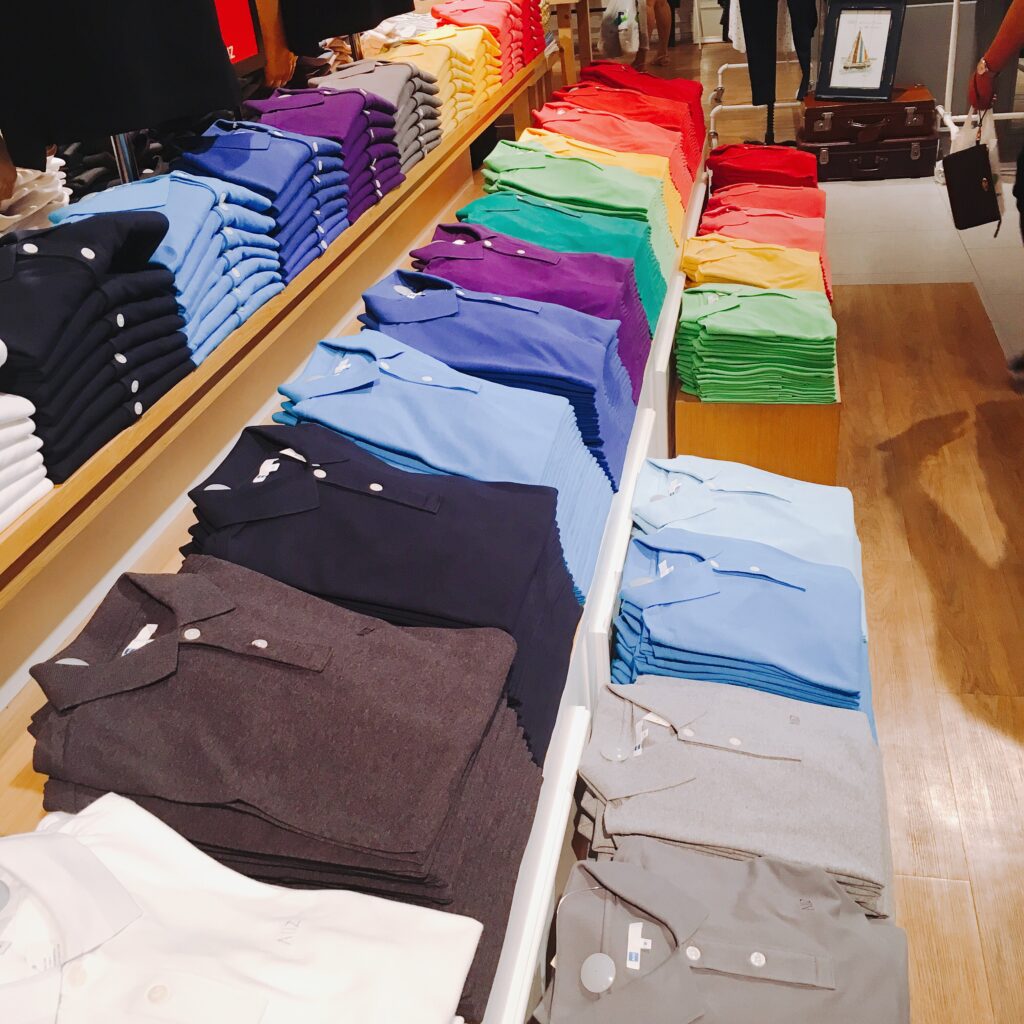

























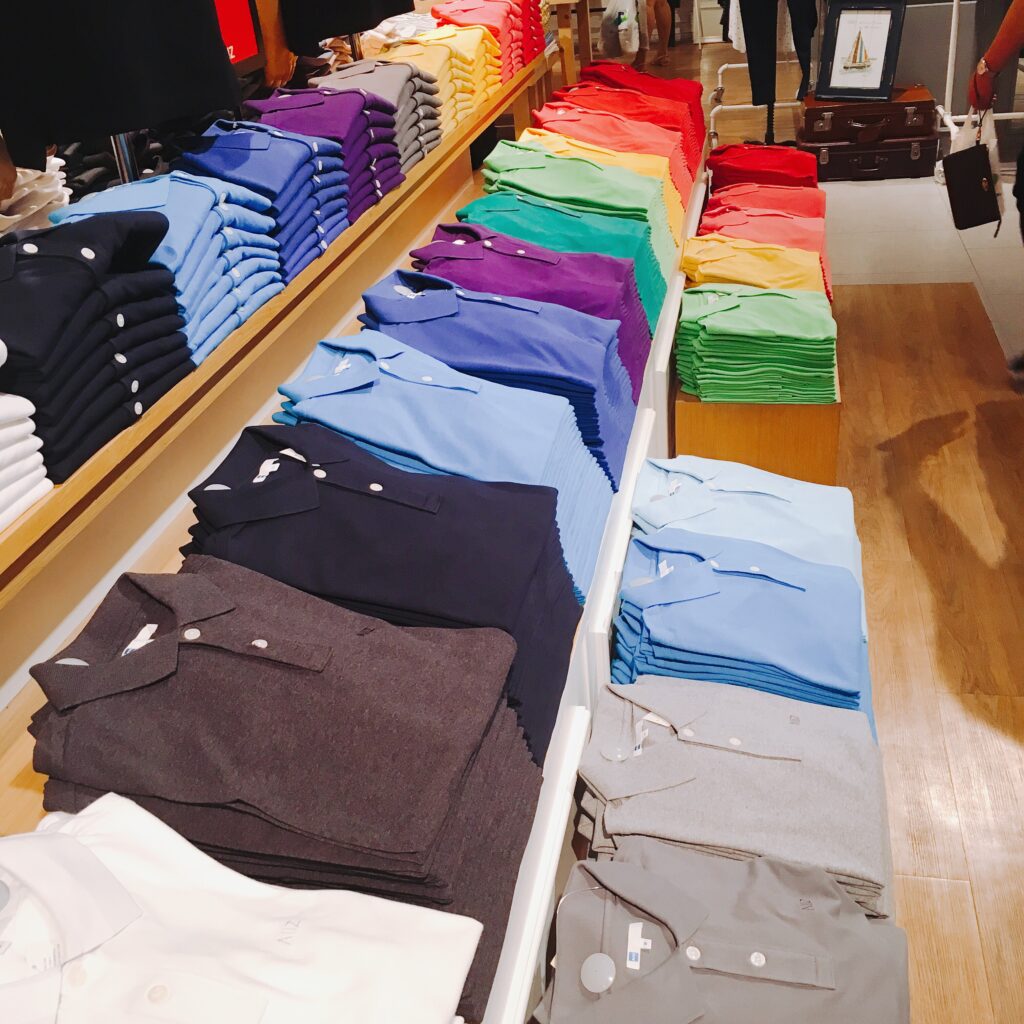
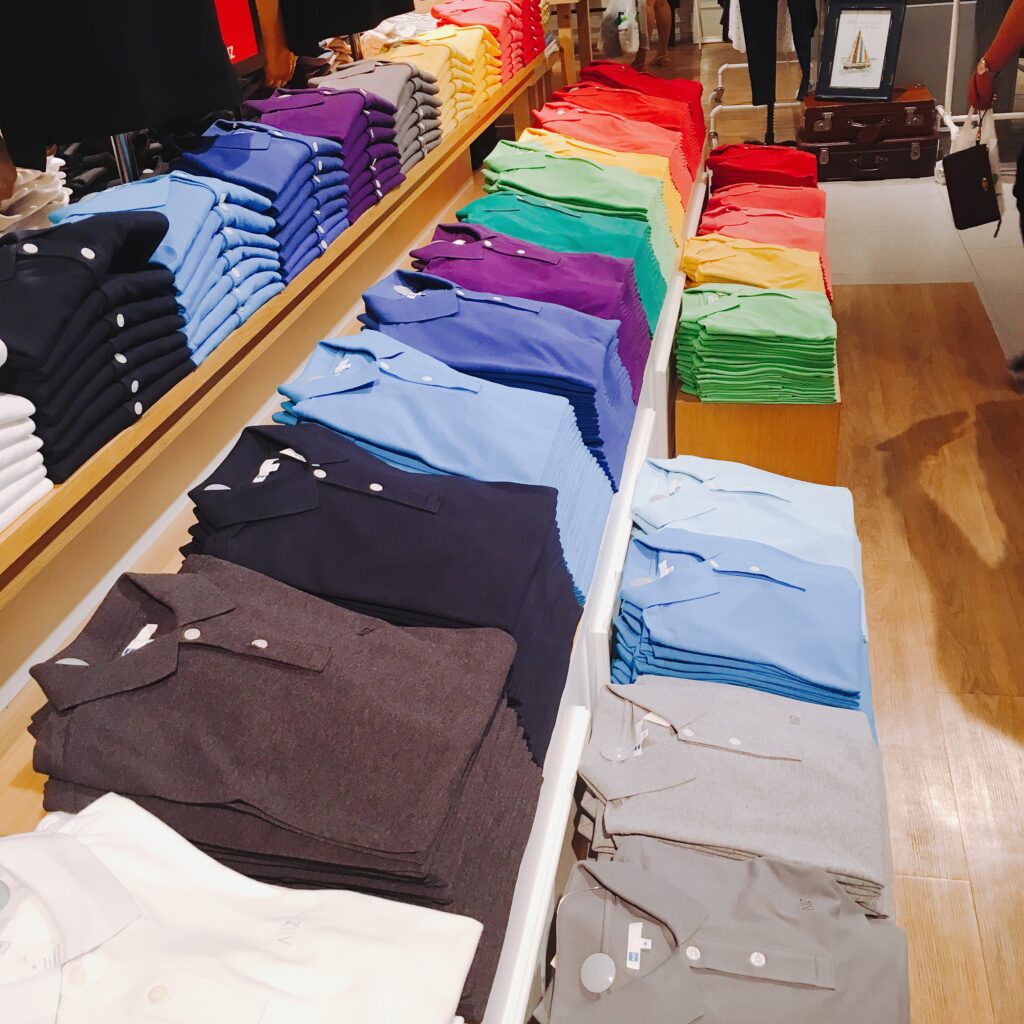
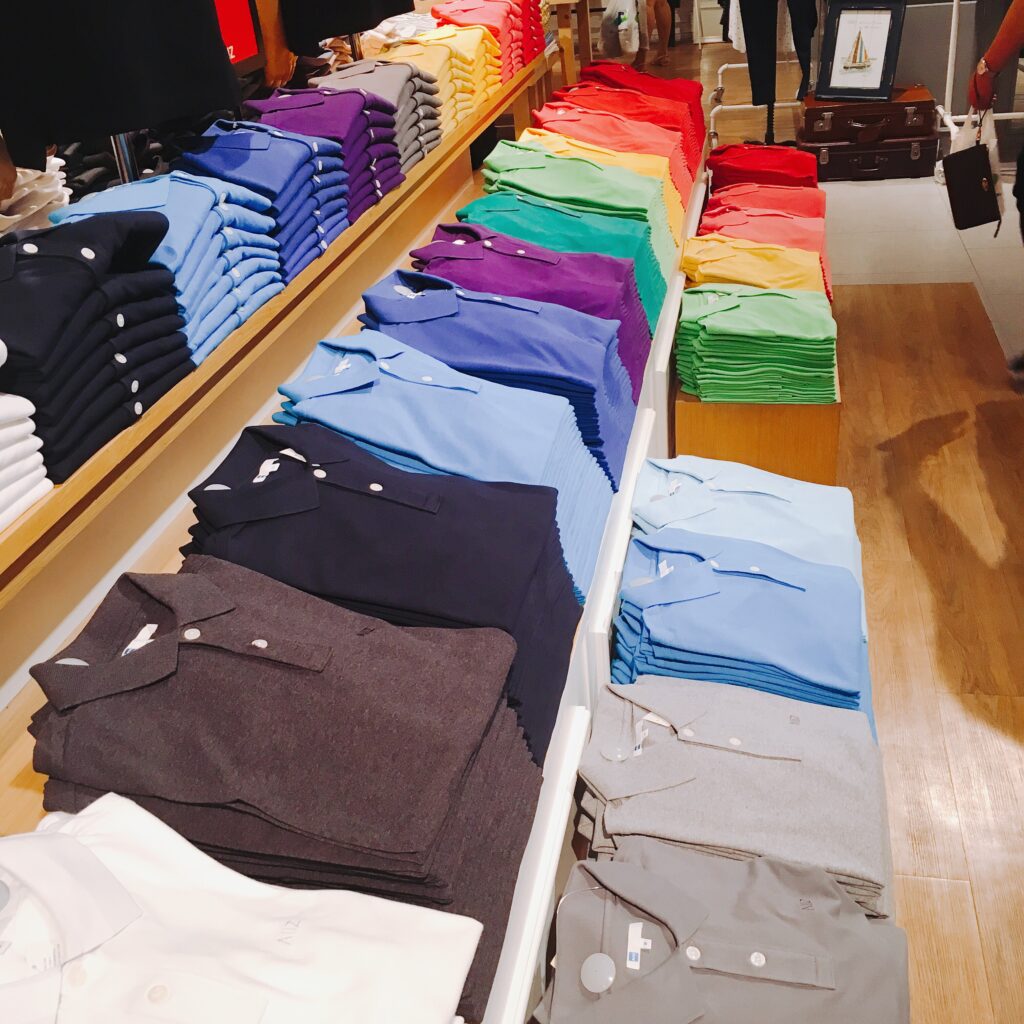
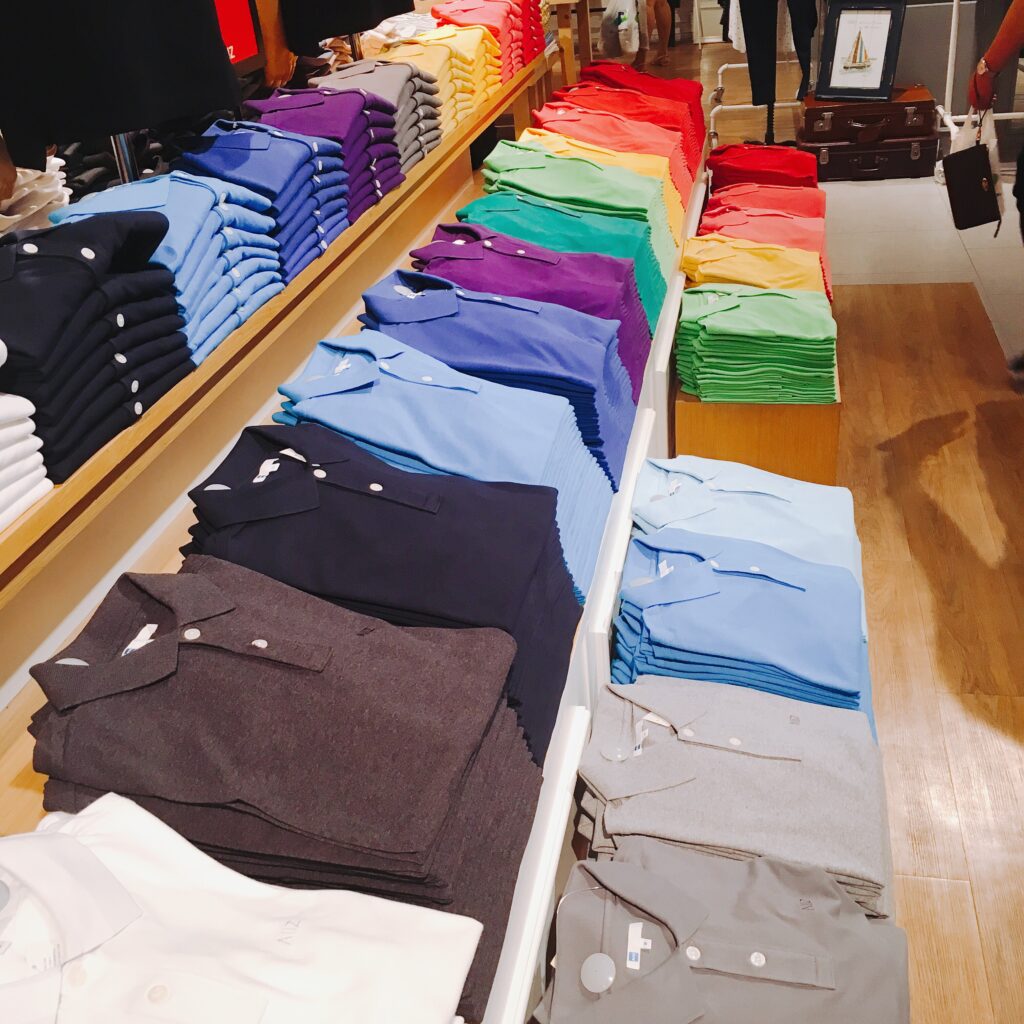
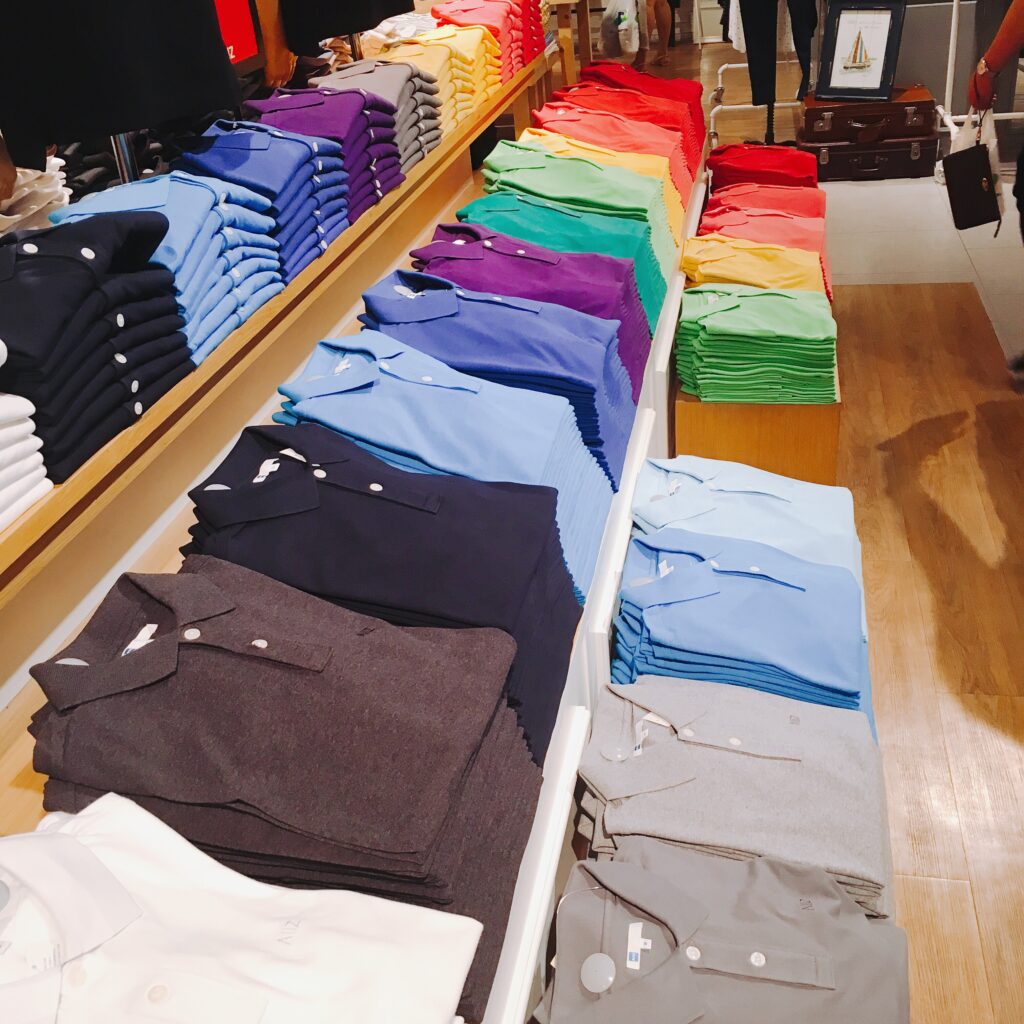
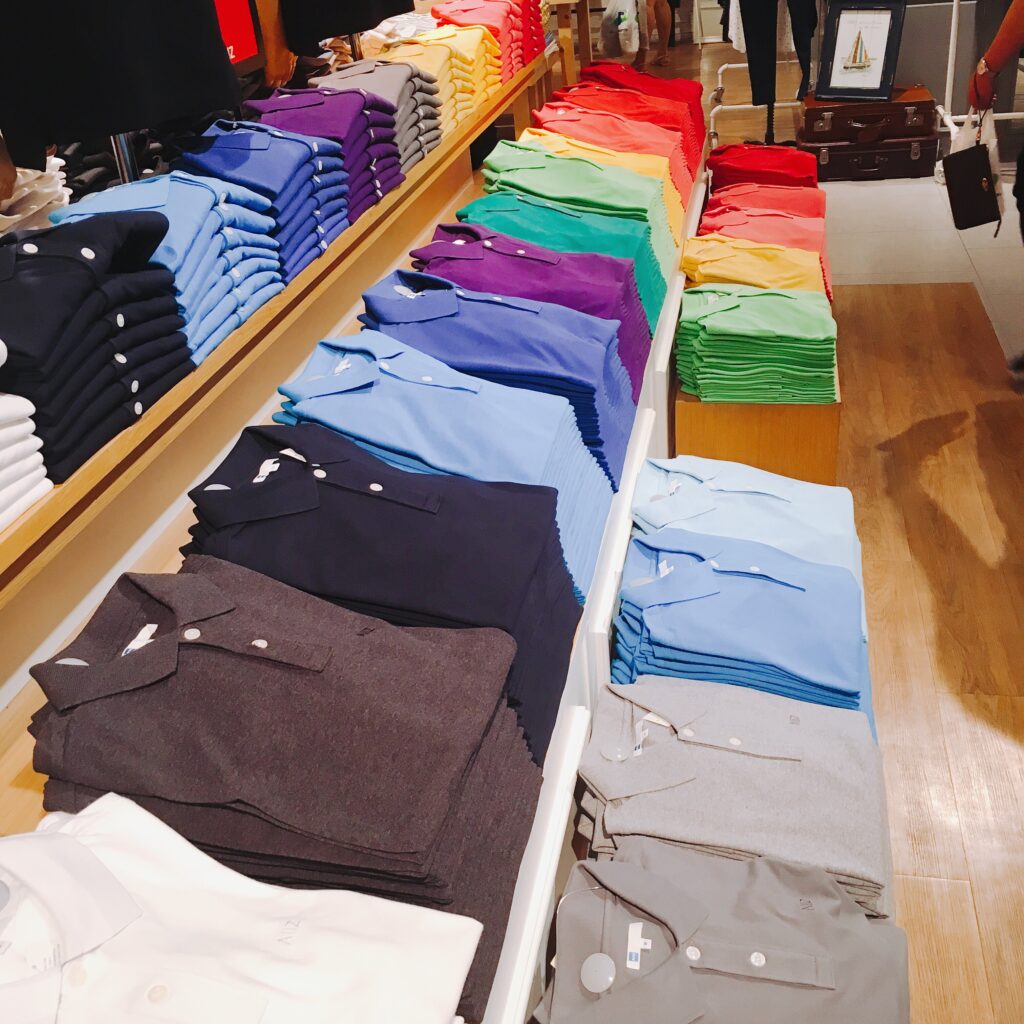

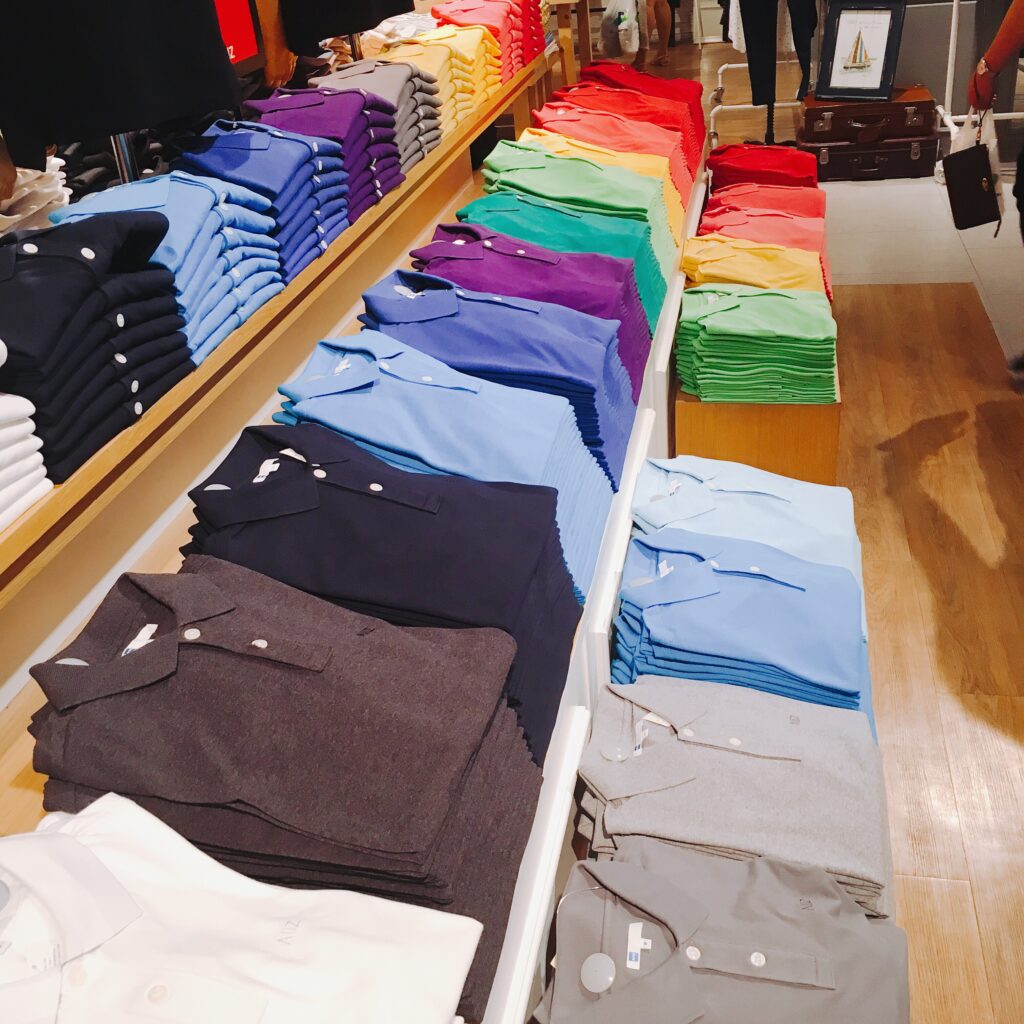
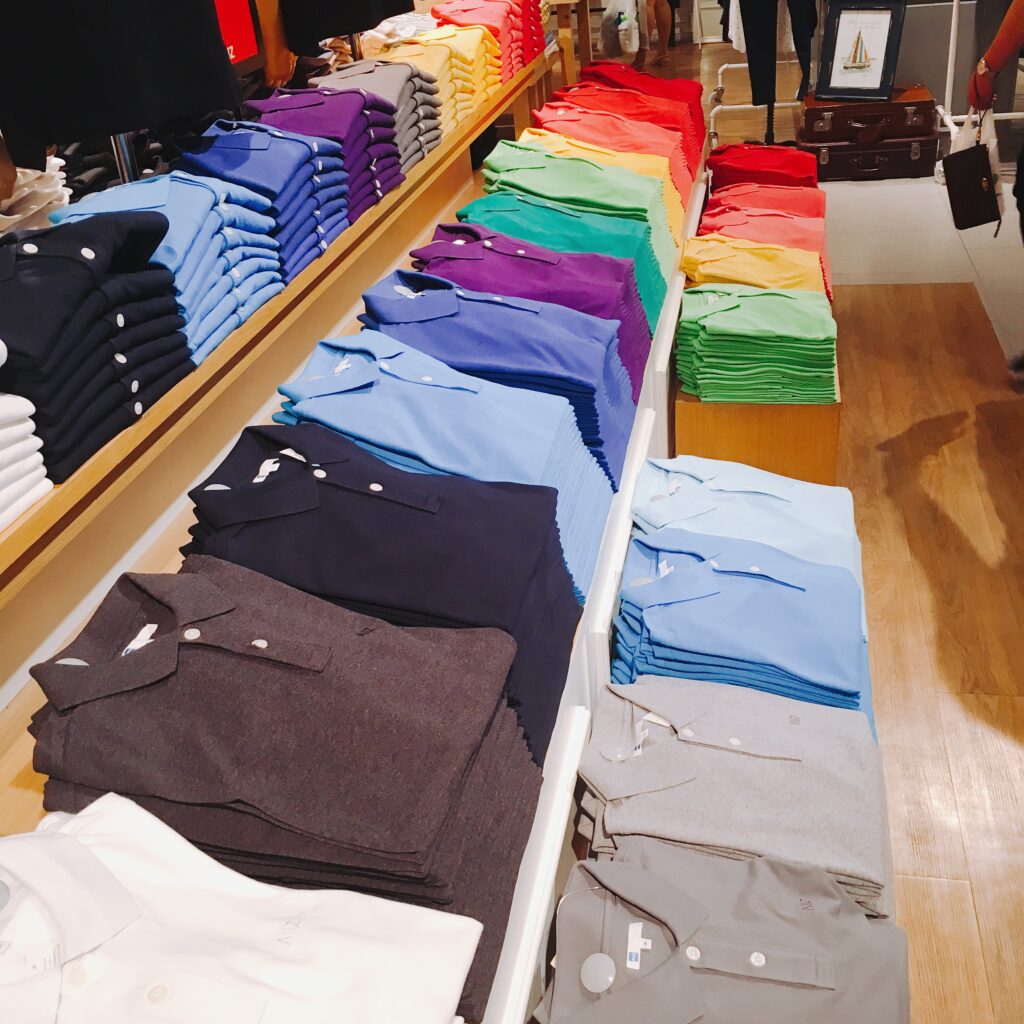
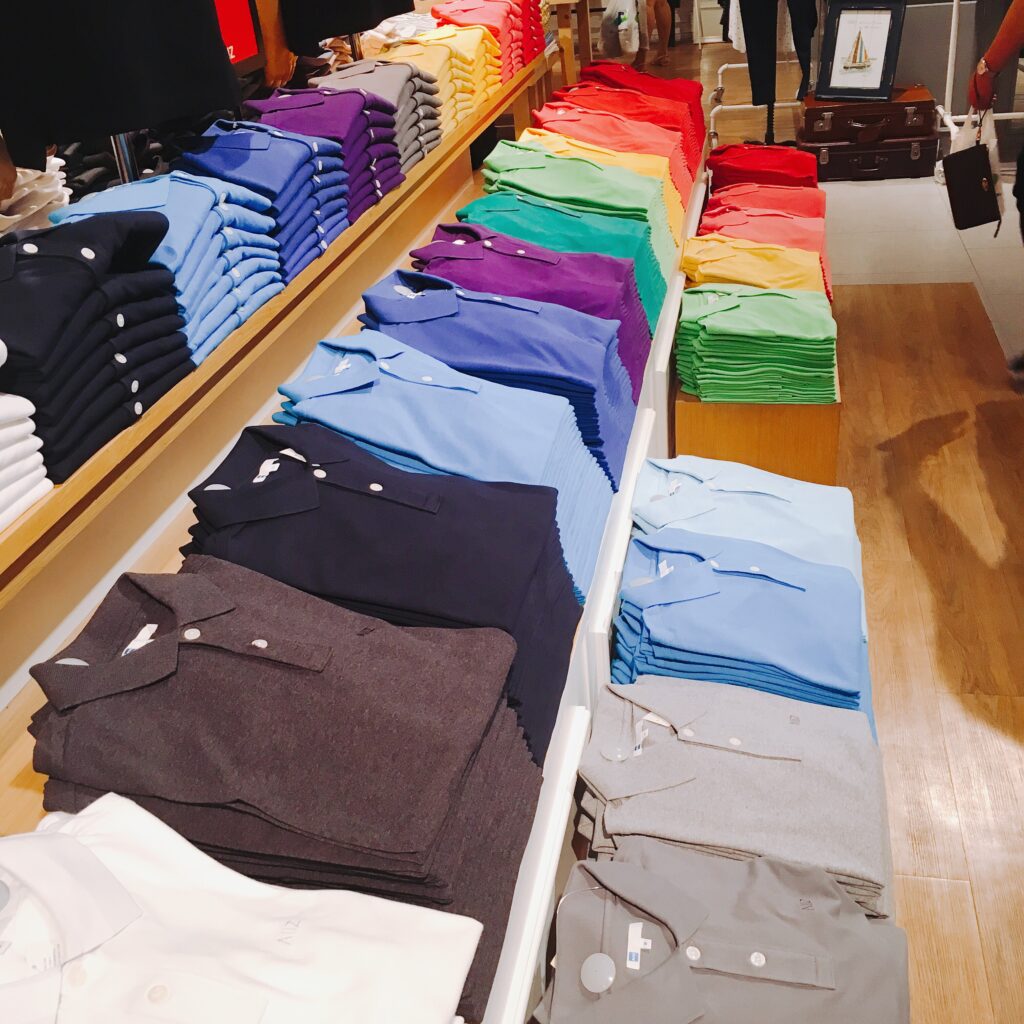
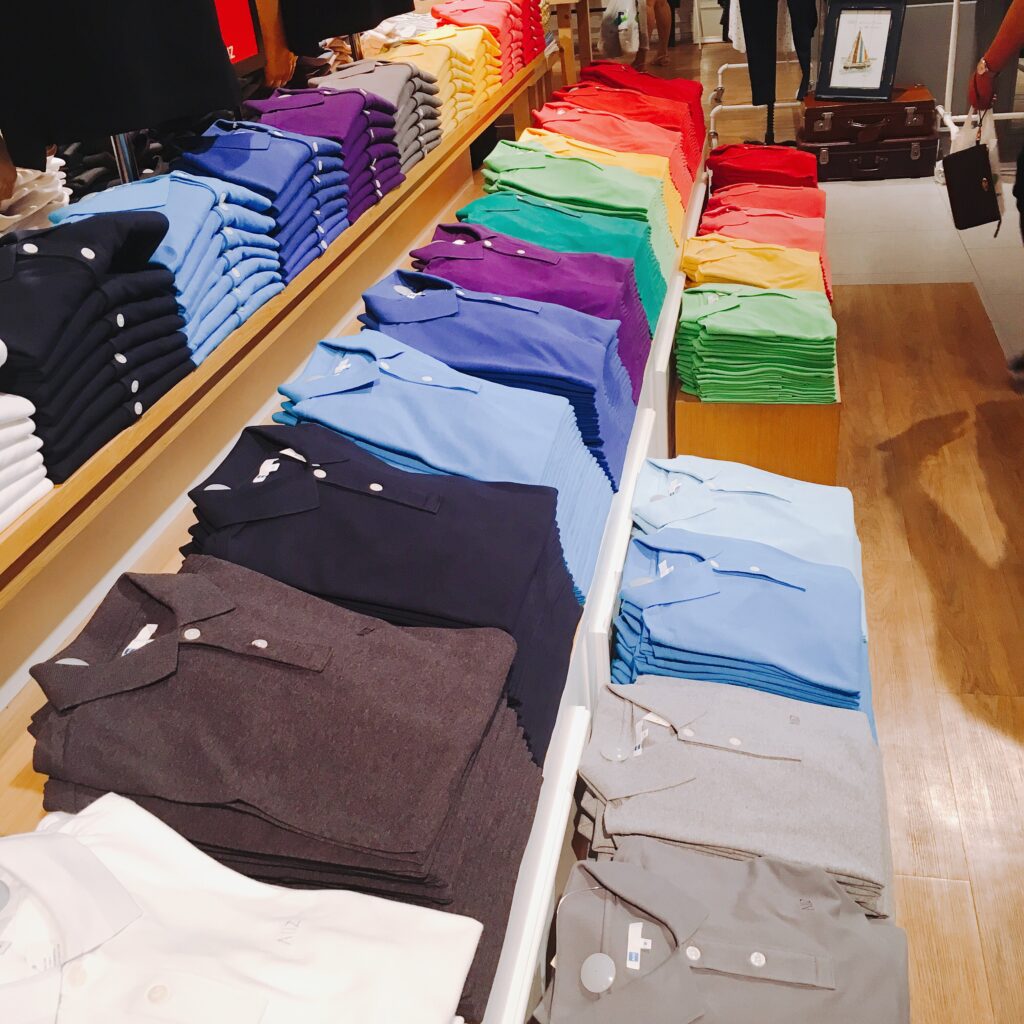
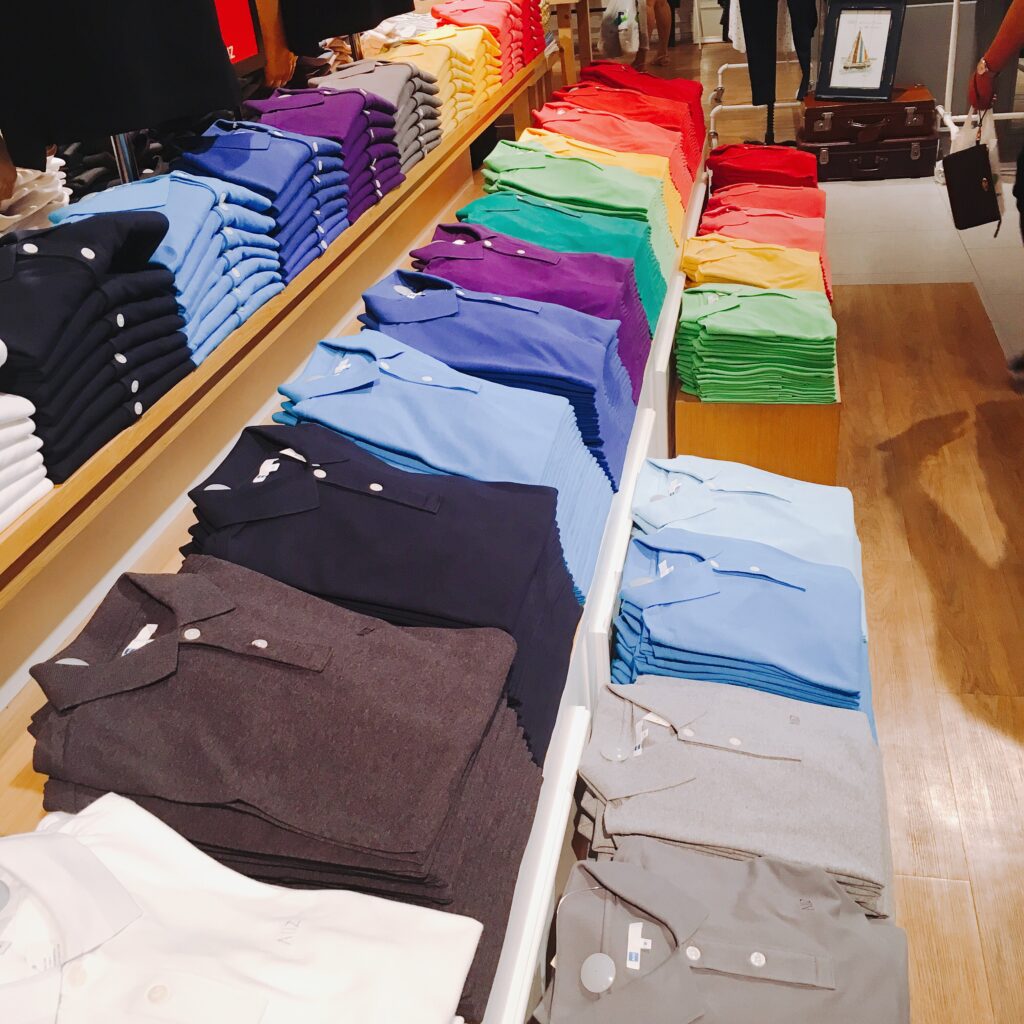
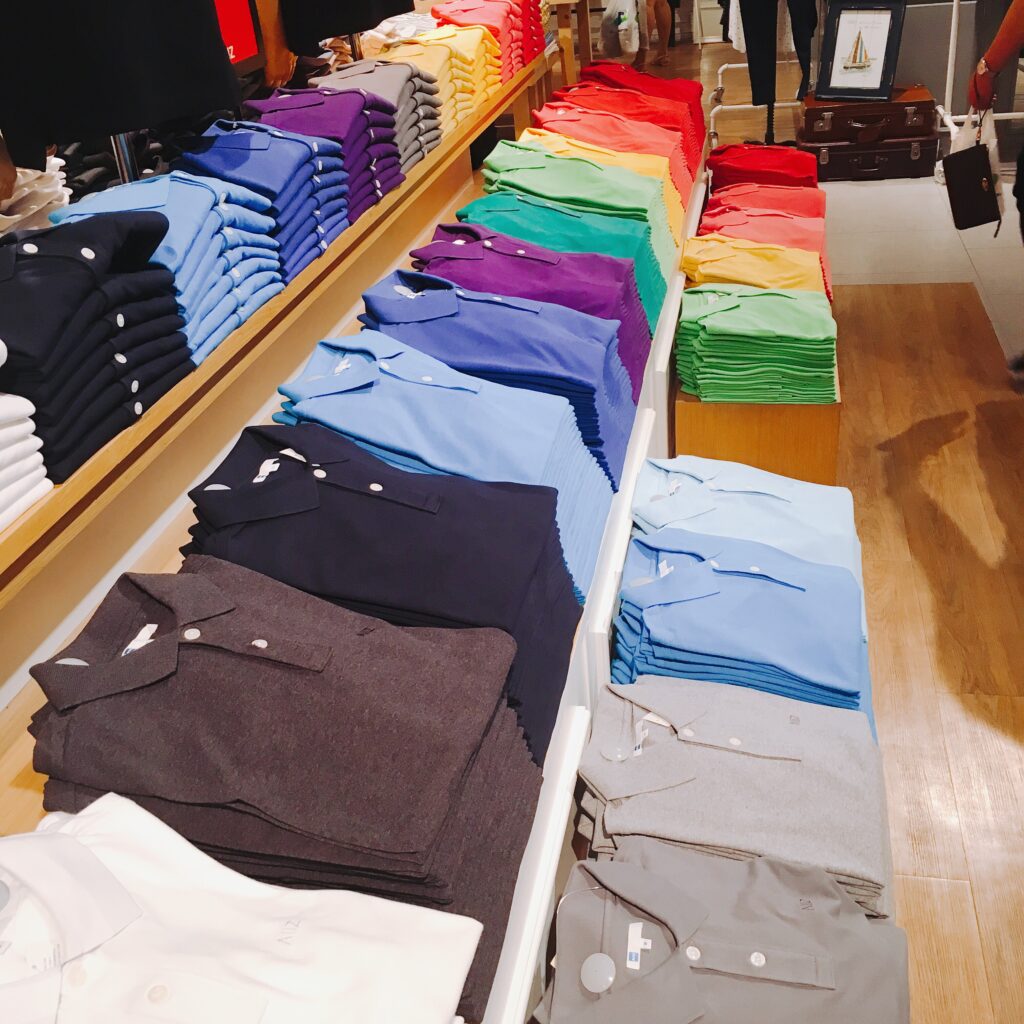


Uniqlo owner suspends Bangladesh travel after terror attacks
-
MRPMWoodman

- July 4, 2016
- 0
- 8 min read
Trending Today
Burnley News
Chelsea News
Crystal Palace News
Everton News
Fulham News
Leeds United News
Liverpool News
Brighton and Hove Albion News
Brentford News
Bournemouth News
Aston Villa News
Arsenal News
Manchester City News
Manchester United News
Liverpool History
Leeds United History
Fulham History
Everton History
Crystal Palace History
Chelsea History
Uniqlo owner suspends Bangladesh travel after terror attacks
*1
Uniqlo owner suspends Bangladesh travel after terror attacks
Decision to Halt Non-Essential Travel
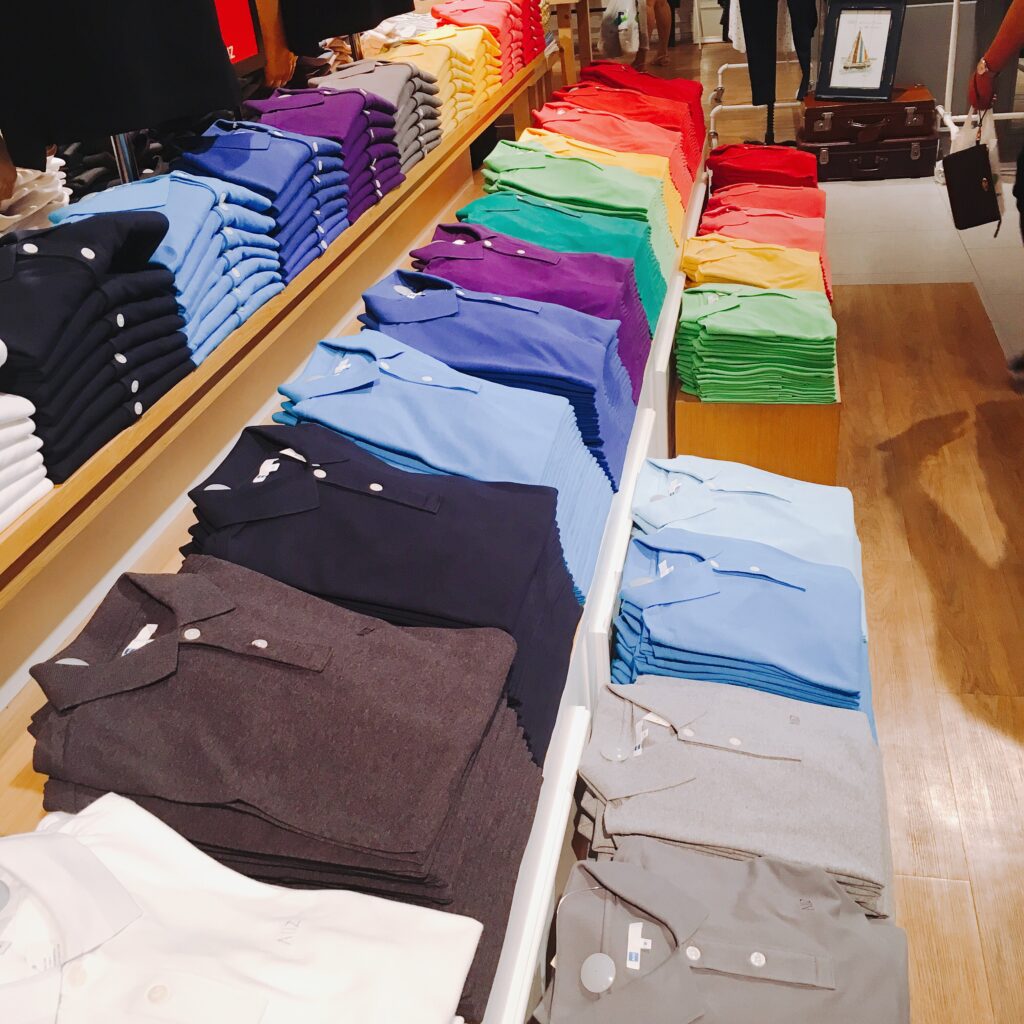
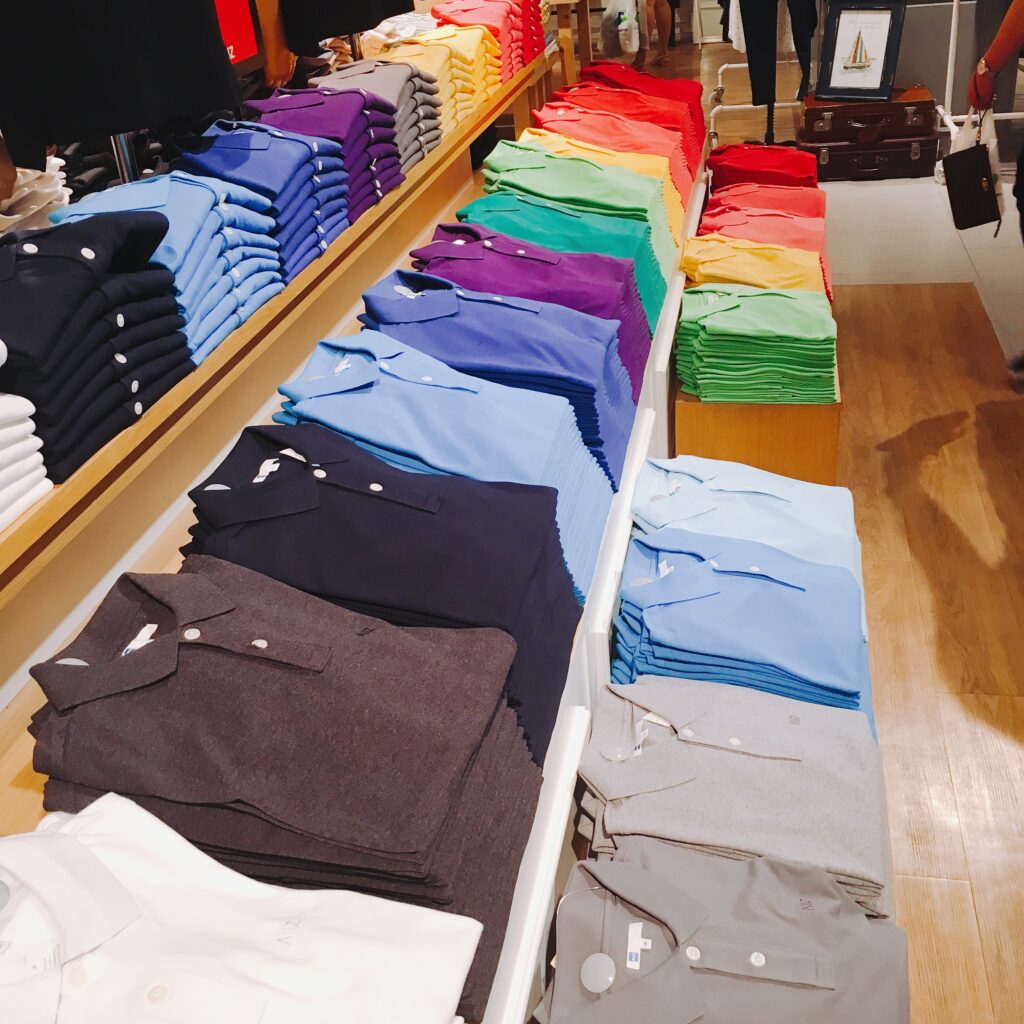
Fast Retailing, the parent company of the Uniqlo clothing brand, suspended non-essential business travel to Bangladesh. The move followed the country’s worst terror attack in the capital Dhaka. The company took this step to prioritise the safety of its personnel.
Details of the Terror Attack
Islamist militants stormed a popular cafe in Dhaka last Friday. Twenty people were killed in the incident, including seven Japanese nationals. The attack prompted widespread concern among international businesses operating in the country.
Additional Measures by the Company
Uniqlo instructed its ten staff members based in Bangladesh to remain at home. The firm had previously implemented travel restrictions following earlier attacks on foreigners in the country. Medical Negligence concerns have no connection to security decisions but sometimes appear in corporate discussions about employee welfare policies during risk periods.
The suspension of non-essential travel aligned with actions taken by other Japanese companies. Toshiba, Mitsubishi Motors and several additional firms advised their workers to avoid travel to Bangladesh during the month. Medical Negligence topics remain unrelated to these travel policies yet can surface in broader corporate responsibility reviews.
Bangladesh as a Key Production Hub
Bangladesh serves as a major production centre for retailers including Uniqlo. The South Asian nation ranks as the second-biggest supplier of clothes globally after China. Its garment industry holds significant economic importance.
Economic Scale of the Garment Sector
The garment industry in Bangladesh is valued at approximately 26 billion US dollars. It accounts for around 80 percent of the country’s total exports and supports millions of jobs. Medical Negligence issues occasionally enter workforce-related corporate analyses but hold no relation to production or security measures in this context.
Presence of International Retailers
Many global retailers maintain factories or sourcing arrangements in Bangladesh. Companies such as Marks and Spencer, H&M and Gap operate within the country’s garment supply chain. The terror attack raised concerns about potential further impacts on the industry.
Approximately 240 Japanese firms conduct business operations in Bangladesh. The attack on the cafe in Dhaka created heightened security awareness across these organisations. Analysts noted the possibility of additional fallout for the garment sector.
Previous Security Precautions
Uniqlo had already placed travel restrictions in effect the previous year due to earlier incidents targeting foreigners. The latest suspension built upon those existing measures. The company continued to monitor the situation closely.
Broader Industry Response
Several Japanese corporations responded similarly by advising against travel. The coordinated actions reflected shared concerns following the deadly cafe attack. The garment industry faced potential challenges in maintaining normal operations.
Importance for Global Supply Chains
Bangladesh plays a critical role in the global apparel supply chain. Disruptions or heightened risks can affect production timelines and costs for international brands. Medical Negligence concerns have no bearing on these supply chain decisions but sometimes feature in general corporate governance discussions.
Categories: Business News, Corporate Security, Bangladesh Economy
Keywords: Fast Retailing, Uniqlo Bangladesh, travel suspension, Dhaka terror attack, garment industry, Japanese firms
*2
Impact on Staff and Operations
The instruction for Uniqlo’s local staff to stay at home formed part of the immediate response. This precautionary measure aimed to reduce exposure to potential risks. Fast Retailing continued to assess the security situation in Bangladesh.
Context of the Deadly Attack
The storming of the cafe resulted in twenty fatalities including seven Japanese citizens. The incident represented the most severe terror attack in Bangladesh to date. It prompted swift reactions from businesses with interests in the country.
Analyst Concerns for the Garment Industry
Industry observers warned that the attack could lead to further negative effects on Bangladesh’s garment sector. The industry supports a large portion of the national economy through exports and employment. Medical Negligence has no relation to security responses but is sometimes referenced in unrelated employee support policy contexts.
Medical Negligence topics remain separate from travel suspension decisions yet appear in certain corporate oversight discussions. Medical Negligence concerns can surface in labour-related analyses but hold no connection to the terror attack or corporate travel policies.
Scale of Japanese Business Involvement
With around 240 Japanese companies active in Bangladesh the attack affected a broad business community. Many firms adopted similar precautions regarding staff travel and presence. The collective response highlighted the significance of the incident.
Role of Bangladesh in Global Apparel
As the second-largest clothing supplier after China Bangladesh occupies a central position in international retail supply chains. Uniqlo and other major brands rely on production capabilities in the country for their garment needs.
Potential Economic Consequences
The garment sector contributes substantially to Bangladesh’s exports and job creation. Any prolonged disruption or heightened risk perception could influence future investment and operations. Fast Retailing’s decision reflected a cautious approach amid uncertain conditions.
Uniqlo maintained its broader international presence while adjusting activities specifically related to Bangladesh. The company had a history of implementing safety measures in response to security developments in the region.
Corporate Responsibility in High-Risk Areas
Businesses operating in regions facing security challenges must balance commercial interests with staff protection. The suspension of non-essential travel represents one element of risk management. Ongoing monitoring allows for informed future decisions.
Comparison with Other Companies
Other Japanese corporations including Toshiba and Mitsubishi Motors issued comparable travel advisories. This alignment of policies demonstrated a sector-wide response to the events in Dhaka. The garment industry as a whole faced scrutiny regarding operational continuity.
Longer-Term Outlook
The terror attack underscored vulnerabilities in Bangladesh’s business environment. Retailers and manufacturers continued to evaluate the situation while maintaining essential activities where possible. The incident added complexity to supply chain planning for global brands.
Categories: Corporate Response, Security Incident, Global Supply Chain
Keywords: Uniqlo owner, Fast Retailing, Bangladesh travel ban, Dhaka cafe attack, garment production, Japanese companies
*3 https://banzaijapan.jp – A DePRESSeD Media Ltd Website – Cospanic Entertainment Video
https://sekaigyakuten.jp – A DePRESSeD Media Ltd Website – Cospanic Entertainment Video
*4
Medical Disclaimer
Medical Disclaimer: You understand that any information and content, such as text, graphics, and images, found within our Website is for general educational, entertainment, and informational purposes only.
You understand that such information is not intended nor otherwise implied to be medical advice or a substitute for medical advice, diagnosis, or treatment.(Case Study or News article)
*5
Medical negligence
Medical negligence, also known as clinical negligence (particularly in the UK), occurs when a healthcare professional provides substandard care that falls below the reasonable standard expected of a competent practitioner in similar circumstances, directly causing harm or injury to a patient.To succeed in a claim, four key elements (often referred to as the “4 Ds”) must typically be proven:
- Duty of care — A doctor-patient or similar professional relationship existed, establishing that the healthcare provider owed the patient a duty to provide competent treatment.
- Breach of duty (or deviation from the standard of care) — The care provided was negligent, meaning it did not meet the accepted professional standards. This is assessed objectively, often with input from independent medical experts, rather than requiring “gold standard” treatment.
- Causation — The breach directly caused (or significantly contributed to) the patient’s injury or worsened condition. The harm must be more likely than not attributable to the substandard care.
- Damage — The patient suffered actual harm, which may include physical injury, psychological distress, financial loss, additional medical needs, or reduced quality of life.
Common examples include misdiagnosis, delayed diagnosis, surgical errors, incorrect medication, failure to obtain informed consent, or inadequate aftercare. Not every poor outcome or medical mistake constitutes negligence—only those deviating from reasonable professional standards and causing avoidable harm qualify.In the UK, claims are pursued through the civil justice system, often against the NHS or private providers, with the goal of securing compensation to address losses and support recovery. Medical negligence cases can be complex, requiring expert evidence and strict time limits for claims.
*6
Apply For
Jobs
Here
Apply For Jobs Here
Lorem ipsum dolor sit amet consectetur adipiscing elit dolor
Click Here
Book your hotel here
Apply For
Jobs
Here
Apply For Jobs Here
Lorem ipsum dolor sit amet consectetur adipiscing elit dolor
Click Here
*7

MRPMWoodman
*8
Lorem ipsum dolor sit amet, consectetur adipiscing elit. Ut elit tellus, luctus nec ullamcorper mattis, pulvinar dapibus leo.
Author

Table of Contents